Students choosing a college in 2026 are asking questions their parents never did. Alongside academics, cost, and campus culture, they want to know how a school treats the planet. Sustainability has moved from a nice-to-have extra to a core decision factor for a growing share of applicants.
This shift is reshaping how universities market themselves and how students evaluate their options. From dining halls to dorm rooms, the visible and invisible systems that run a campus are now part of the pitch.
The Rise of the Sustainability-Minded Student
Today's applicants grew up with climate change as a constant headline. They have watched wildfires, droughts, and heat waves reshape their hometowns. That lived experience follows them into the college search.
A recent Princeton Review survey found that a majority of prospective students say a school's environmental commitment influences where they apply. For many, it is no longer a tiebreaker. It is an early filter that shapes the short list before the first campus visit.
This generation also expects transparency. Vague claims about being "green" do not land the way they did a decade ago. Students want receipts, which means data, reporting, and visible proof.
What Students Are Actually Looking For
Sustainability on a college campus covers more ground than most applicants realize. It touches academics, dining, housing, energy, transportation, and the infrastructure that keeps everything running. Here is what tends to matter most on a modern college visit.
Academic Programs and Research
Students who care about the climate often want to study it. They look for majors, minors, and certificates in environmental science, sustainability management, renewable energy, and climate policy. Strong research centers and faculty who publish in the field are major signals.
Interdisciplinary programs carry extra weight. A business school that offers sustainability tracks, or an engineering program focused on clean technology, tells students that the school takes the topic seriously across departments.
Dining and Food Sourcing
Campus dining is one of the most visible places a school expresses its values. Farm-to-table sourcing, plant-forward menus, composting programs, and waste-tracking technology all send a clear message. Students notice when leftovers get donated instead of dumped.
Reusable container programs and transparent supply chain information matter too. Many colleges now publish the percentage of locally sourced food, and applicants are paying attention to those numbers.
Energy and Campus Operations
Behind the scenes, operations teams are doing some of the heaviest lifting on sustainability. Forward-thinking universities are investing in sustainable solutions for water management, energy efficiency, and waste reduction across their entire campus footprint. These efficiency measures, resource conservation programs, and green infrastructure upgrades often run quietly in the background, yet they drive the largest reductions in environmental impact.
Solar arrays, geothermal systems, LEED-certified buildings, and modern HVAC controls all fall into this category. Students may not ask about boiler rooms on a tour, but they do notice when a campus feels well-maintained and future-ready.
Transportation and Access
Getting around matters. Bike share programs, electric shuttle fleets, pedestrian-first planning, and strong public transit access all appeal to sustainability-minded students. Car-free or low-car campuses often feel calmer and more walkable, which is a lifestyle win on top of the environmental one.
How This Shows Up During the College Search
The college search itself has changed. Virtual tours, student-led videos, and social media all give applicants a closer look at campus life than ever before. Sustainability is one of the themes they watch for.
Virtual Tours Tell the Story
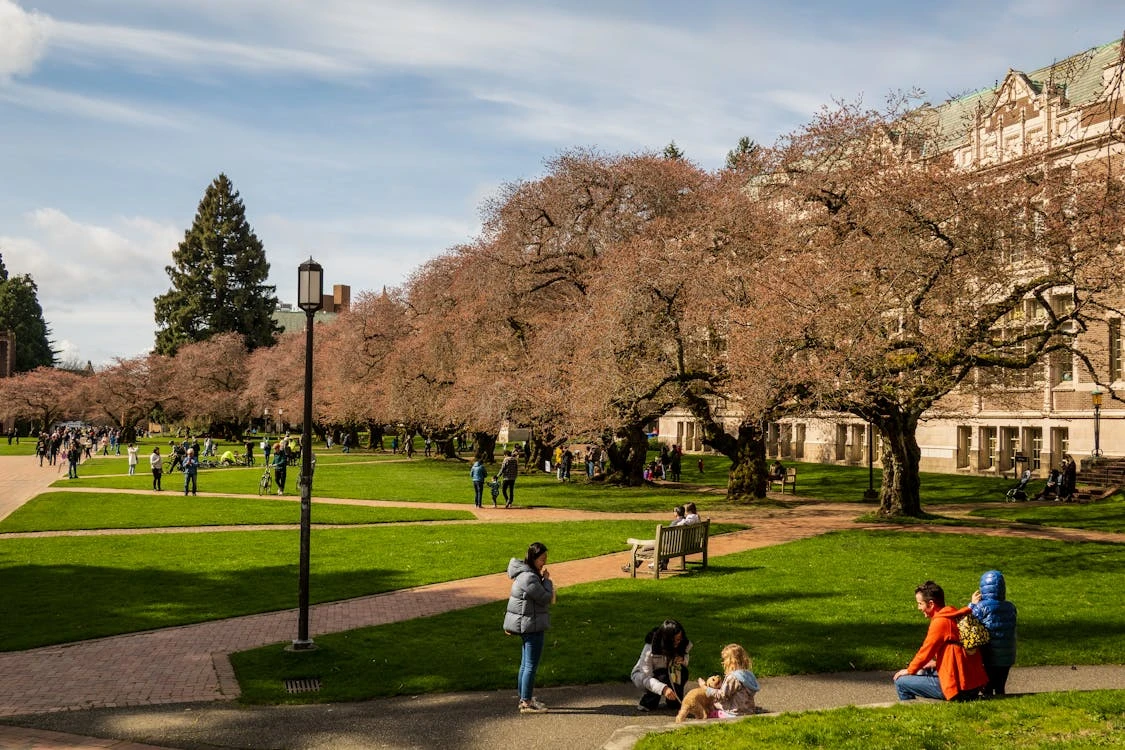
A well-produced virtual tour can showcase solar panels on rooftops, native landscaping across the quad, or a new zero-waste dining hall. Students notice these details even when they are not featured explicitly. Campus visuals do a lot of quiet persuading.
Schools that highlight sustainability through real student voices, rather than polished marketing copy, tend to land better with this audience. Authenticity beats glossy brochures nearly every time.
Rankings and Scorecards Carry Weight
Applicants increasingly consult resources like the Sustainable Campus Index, AASHE STARS ratings, and the Sierra Club's Cool Schools rankings. These third-party scorecards give students a standardized way to compare schools beyond academic prestige. A strong STARS rating often makes it into a student's final decision notes.
Student Guides and Reviews
Online communities and student-led content now cover sustainability in detail. Reviews from current students about recycling programs, dining waste, or dorm energy use can shape perceptions quickly. Authentic commentary spreads faster than any brochure.
For deeper research, the AASHE STARS system offers detailed sustainability reports on hundreds of institutions. Applicants who dig into these can compare schools on dozens of sustainability dimensions.
What This Means for Universities
For admissions and enrollment teams, the message is clear. Sustainability is no longer a sidebar on the campus tour. It belongs in the core recruitment conversation, alongside academics, career outcomes, and financial aid.
Schools that tell their sustainability story well gain a real edge. That story needs to be specific, measurable, and visible across every touchpoint, from the website to the virtual tour to the in-person visit.
Students want to see what is being done, not just read about intentions. Photos, data points, student testimonials, and behind-the-scenes looks at campus operations all help. You can find great examples of student-led campus tours and sustainability stories through CampusReel's virtual tour library, where real students walk through what makes their schools distinct.
The Bottom Line for Applicants
If sustainability matters to you, bring it into your college search from the start. Make a short list of the practices and programs you care about most. Use that list when you research schools, attend virtual tours, and talk to current students.
Ask specific questions. How does the school source its food? What percentage of energy comes from renewables? Are there student roles in sustainability planning? The answers will tell you a lot about a school's priorities.
Your college choice shapes four or more years of daily life. Choosing a campus that reflects your values, including how it treats the environment, can make that time feel more connected and more meaningful. The schools that are paying attention are ready for that conversation.