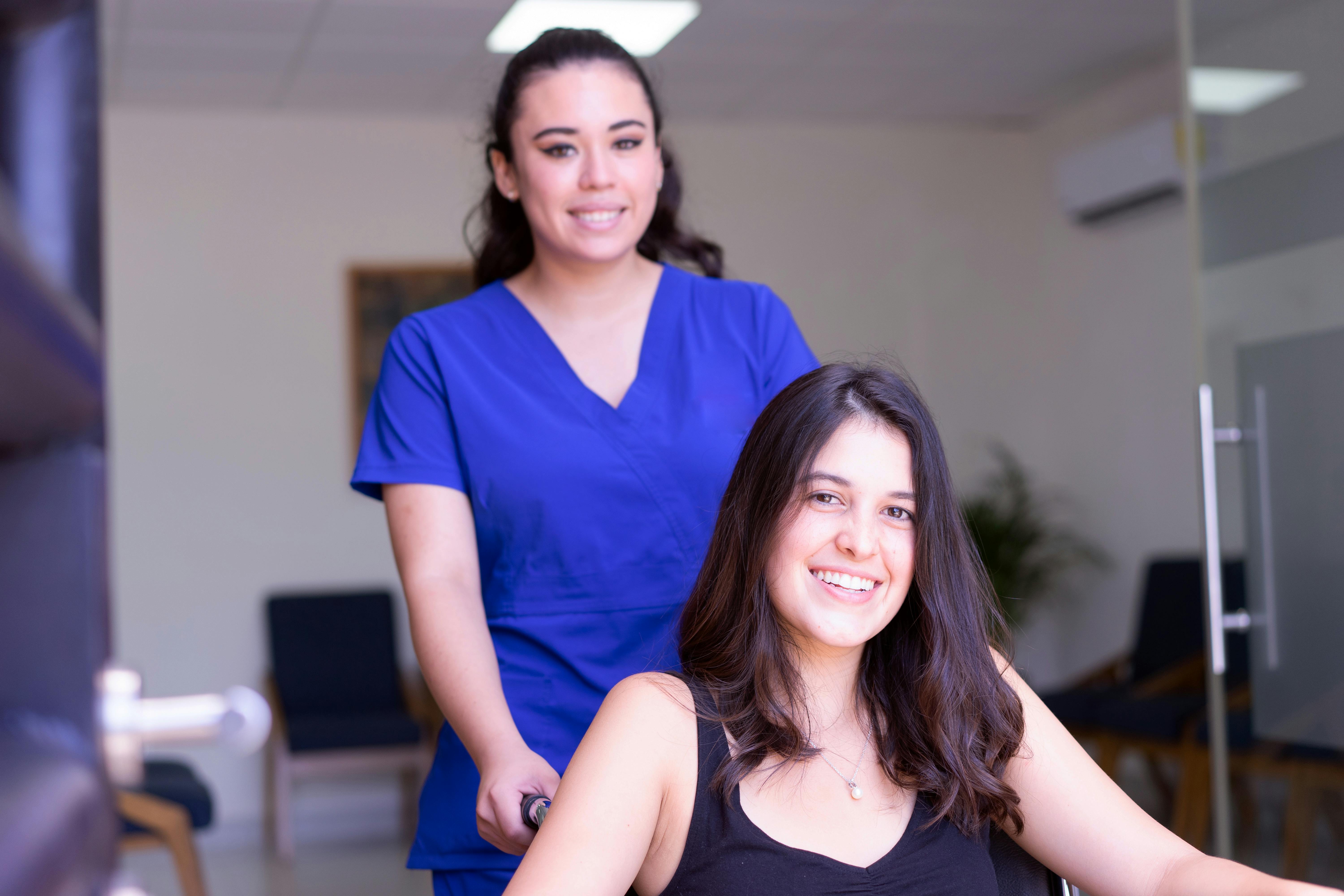
Nursing school is famously tough. Between mastering complex medical terminology and surviving long lectures, just getting through the daily coursework feels like a full-time job. But as any experienced nurse will tell you, the real learning happens when you step away from the whiteboard.
The push to train qualified healthcare professionals has never been greater. According to Market Reports World, the nursing education market size was valued at USD 10,398.87 million in 2024. It is expected to reach USD 13,936.87 million by 2033, growing at a steady compound annual growth rate (CAGR) of 3.3%. This rapid growth means classrooms are busier than ever, but textbooks can only take you so far.
To truly thrive, nursing students need to develop skills that cannot be tested on a multiple-choice exam. This article explores the key factors beyond the classroom that help nursing students genuinely flourish in them and carry that momentum into their careers.
Good Study Habits and Time Management Skills
The sheer volume of complex medical material means successful nursing students must develop structured study systems early. Instead of passive reading, effective strategies include active recall, spaced repetition, and utilizing well-structured study groups to explain difficult concepts to peers.
Mastering time management is equally critical to reducing stress. According to the British Journal of Nursing (BJN), understanding your circadian clock helps synchronize daily activities with peak productivity windows.
Dr. Michael Breus identifies four distinct chronotypes that dictate these high-performance hours. These include morning-oriented lions (8:00 to 12:00), steady bears (10:00 to 14:00), late-afternoon wolves (13:00 to 17:00), and evening-focused dolphins (15:00 to 19:00).
Aligning demanding study sessions with your natural chronotype allows for much more effective use of limited time. Treating your schedule with this level of precision turns time management into an essential clinical competency long before graduation.
Effective Mentorship in Clinical Training
Mentorship plays a major role in helping nursing students grow beyond textbooks and classroom lectures. Experienced nurses, clinical instructors, and healthcare mentors provide practical guidance and honest feedback that helps students build confidence in patient care settings.
Many students develop valuable learning experiences simply by asking questions during clinical rotations and observing how professionals handle challenging situations.
For students pursuing advanced practice roles, working closely with a nurse practitioner preceptor can be especially impactful. These experienced clinicians supervise students in real healthcare environments, helping them strengthen clinical judgment, communication, and decision-making skills.
Because finding suitable placements can sometimes be challenging, some students also explore a nurse practitioner preceptor placement service to secure clinical opportunities.
According to ClickClinicals, the timeline for matching can vary based on several factors, including program requirements, geographic location, and chosen specialty. The company also notes that information submitted through a formal rotation request helps guide the matching process more efficiently.
Emotional Resilience and Coping Skills
Nursing is emotionally demanding work. Witnessing patient suffering, navigating difficult family dynamics, and managing the physical exhaustion of long clinical shifts all take a toll. Developing emotional resilience during training is essential for long-term career sustainability, and it requires deliberate self-care habits.
According to the American Nurses Association, practicing healthy coping strategies directly mitigates burnout:
- Make sure you get breaks and find a quiet place to step away and decompress.
- Keep nutritious snacks on hand that you can easily grab and eat anytime.
- Maintain a healthy sleep schedule and practice good nighttime sleep hygiene.
- Keep a journal to recount daily events, practice gratitude, or process worries.
Resilience is not about suppressing your emotions, but rather processing difficult experiences effectively. Using these evidence-supported tools ensures you remain empathetic, self-aware, and fully prepared to navigate clinical challenges without becoming overwhelmed.
Engagement With the Broader Nursing Community
Tapping into the broader nursing community early gives students a significant career advantage. Joining student associations, attending conferences, and engaging on LinkedIn fosters a deep sense of professional belonging before graduation. This active participation exposes students to diverse paths, from public health to clinical research.
According to the NIH, while strategic networking drives innovation and career advancement, it does bring challenges like time constraints and potential burnout. The NIH suggests overcoming these hurdles by focusing on relationship quality, leveraging digital platforms, and maintaining a professional online presence.
Ultimately, investing in these networks reinforces your patient-centered values. Connecting with peers and mentors ensures long-term professional growth and sustained success in the evolving healthcare field.
Frequently Asked Questions
What skills are most important for nursing students outside the classroom?
Beyond academic knowledge, nursing students benefit greatly from strong communication, time management, emotional resilience, adaptability, and critical thinking skills. Clinical exposure and mentorship also help students build confidence in patient care environments.
Why is mentorship important in nursing education?
Mentorship helps nursing students bridge the gap between theoretical learning and real-world healthcare practice. Experienced nurses and clinical mentors provide guidance, practical feedback, and emotional support that can improve decision-making, confidence, and professional growth.
How can nursing students manage stress during clinical training?
Students can manage stress by maintaining healthy sleep habits, taking regular breaks, practicing mindfulness or journaling, staying organized, and building strong support systems. Emotional resilience plays a major role in preventing burnout during demanding clinical experiences.
Important Nursing Student Statistics and Insights
| Global Nursing Education Market | Valued at USD 10,398.87 million in 2024 |
|---|---|
| Nursing Education Market Projection | Expected to reach USD 13,936.87 million by 2033 |
| Nursing Education Market CAGR | Projected CAGR of 3.3% through 2033 |
| Burnout Prevention Strategies | ANA recommends breaks, healthy sleep, nutritious snacks, and journaling |
| Professional Networking Challenges | NIH identifies time constraints and burnout as common networking barriers |
Success in nursing requires a strong foundation built far beyond the classroom. Developing robust study habits, prioritizing self-care, securing expert mentorship, and engaging with the wider healthcare community are essential steps for long-term career resilience.
Rebecca Love recently discussed how modern nursing education is increasingly focused on adaptability, technology literacy, and real-world clinical confidence rather than memorization alone. She emphasized that future nurses must be prepared for rapidly evolving healthcare environments.
By deliberately cultivating these practical skills and supportive networks today, students can confidently step into the workforce and drive meaningful innovation in patient care.