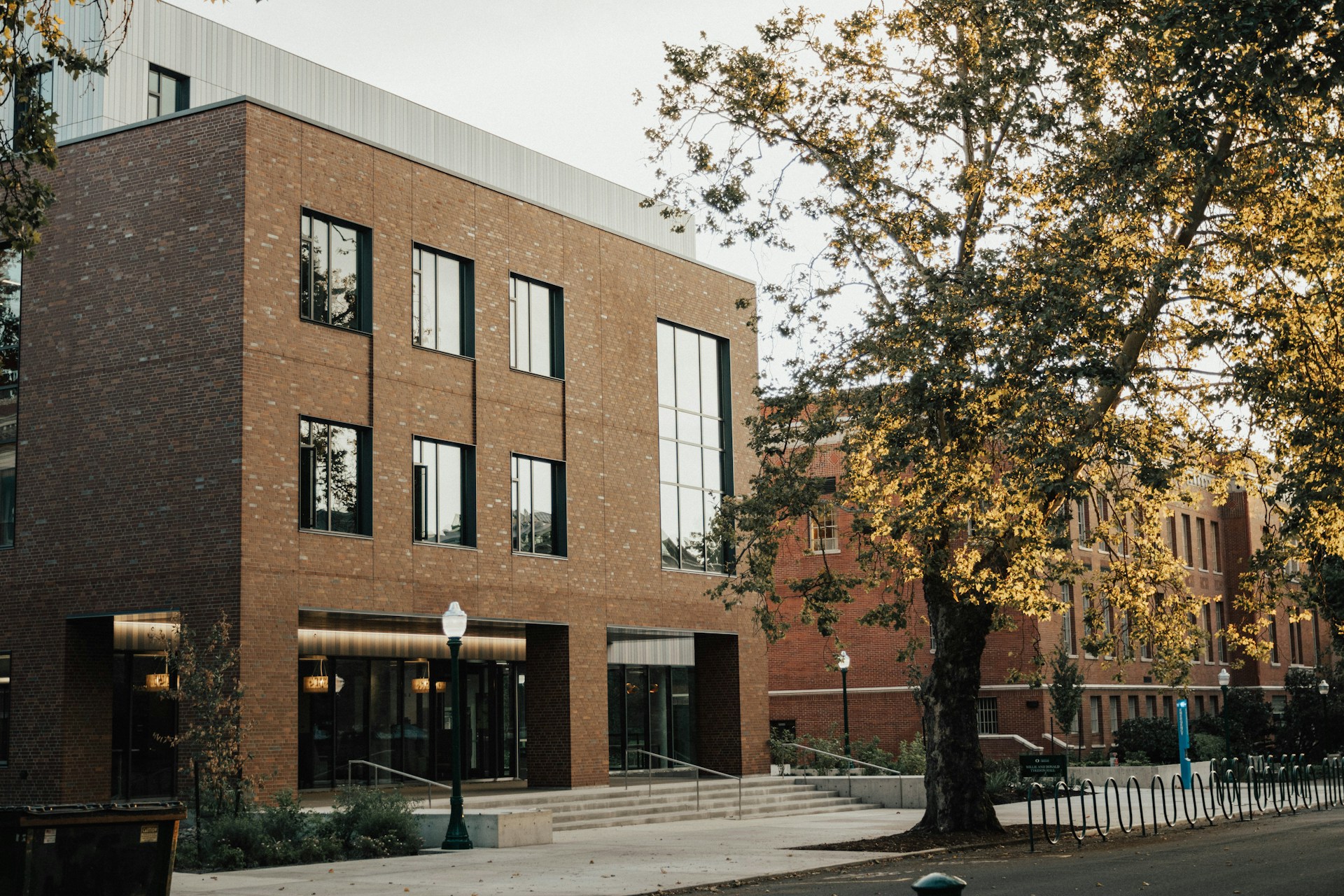
Your first week on campus can feel like stepping into another world. The buildings are new, the faces unfamiliar, and the rhythm of life nothing like high school. It's a mix of excitement and nerves. You want to make friends, impress professors, and figure out where the cafeteria is - all at once. The great news is, you don't have to master everything in a few days. That first week is all about exploring, making small steps, and laying the foundation for your college experience.
One of the most significant changes is learning how to manage freedom. Suddenly, there's no one telling you to wake up, eat breakfast, or finish your assignments. That independence is exciting, but it also takes practice. The first week is your chance to experiment, figure out what works, and build habits that will keep you on track later.
And when things feel overwhelming, remember that help is available. You'll find support in campus resources, from writing centers to peer mentors. Some students even explore online tools to lighten their load - for example, services where you can ask someone to help me write my paper when deadlines stack up. Knowing support exists makes it easier to focus on adjusting during those crucial first days.
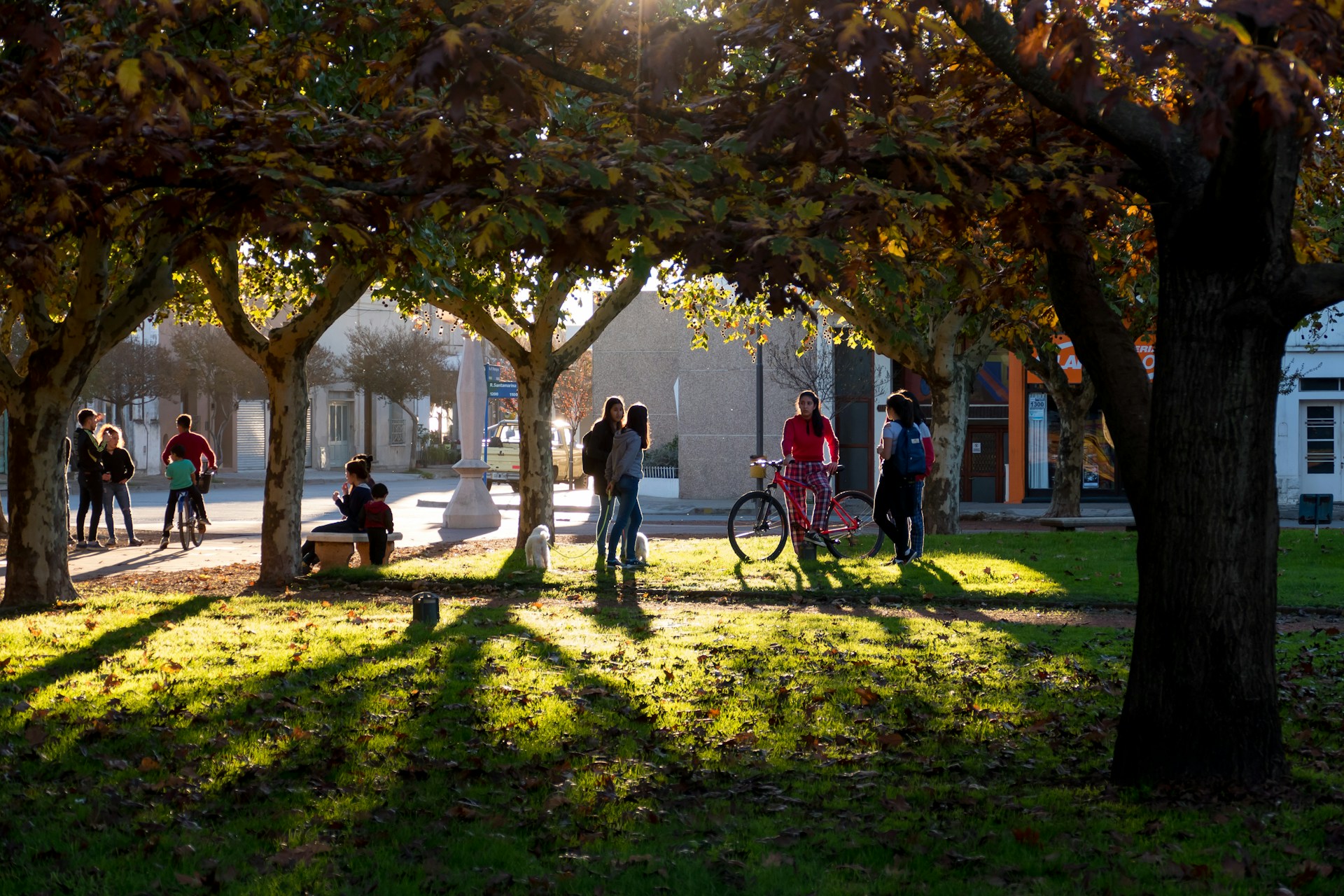
Find Your Way Around
The first week is the time to learn the layout of your new home. Campuses can feel like mazes, with buildings that look the same and classrooms tucked away in corners. Use maps, campus tours, or just wander to get comfortable with the space.
A few key spots to locate early:
- Your classrooms and lecture halls
- The library and study lounges
- Dining halls, coffee shops, or convenience stores
- Health and counseling centers
- Student activity hubs
Getting familiar with these places reduces stress when classes start in full swing.
Introduce Yourself
Your first week is full of introductions. Everyone is new and looking for friends, so it's the best time to start conversations. Sit next to someone in class and say hi. Leave your door open in the dorm to invite casual chats. Attend orientation events and talk to people standing nearby.
It doesn't have to be complex. Simple questions like, "Where are you from?" or "Have you eaten here yet?" can spark connections. These small steps help you find your people faster.
Set Up a Routine
Routines give your new life structure. You don't have to create a strict schedule, but having a few anchors in your day makes the transition smoother. Start with:
- Waking up at a consistent time (even if classes start late).
- Scheduling study blocks during your peak focus hours.
- Keeping regular meal times.
- Adding in breaks for exercise or relaxation.
Once you get used to these patterns, handling assignments becomes easier. For instance, I reminded myself, "If I need to write my paper, I'll spend just an hour drafting tonight and edit tomorrow."
Attend Orientation Events
Most schools pack the first week with events - fairs, mixers, and tours designed to help students settle in. Even if some feel cheesy, go anyway. They're opportunities to learn about clubs, resources, and campus traditions. Plus, you never know who you'll meet.
Orientation events also help you figure out what to get involved in. Pick one or two activities that genuinely excite you, and don't feel pressured to sign up for everything.
Manage Academic Expectations Early
Professors often jump right into the syllabus during week one. Don't wait until midterms to realize you're behind. Read through your course outlines carefully. Highlight deadlines, and note major projects or exams.
If something looks confusing, ask your professor or teaching assistant immediately. They'll appreciate your initiative, and it sets the tone for a positive relationship.
Some students also look for examples to better understand assignments. One friend said she once tried to write my papers through an online service just to see a proper structure. That model helped her organize her own essays more effectively.
Take Care of Yourself
It's tempting to stay up all night, eat only pizza, and run on energy drinks. But those habits catch up quickly. Use the first week to set healthier patterns:
- Aim for decent sleep (your brain needs it).
- Eat at least a few balanced meals a day.
- Drink water alongside your coffee runs.
- Move your body - whether it's the gym, walking, or sports.
These simple choices keep you energized and make it easier to handle the stress of starting fresh.
Ask for Help When You Need It
Your first week is not about doing everything alone. Everyone struggles - whether it's homesickness, confusion about classes, or stress from all the change. The best thing to do is reach out.
That support can be friends, professors, or even outside resources. Students often discover that looking for paper help makes a big difference when juggling essays and reading assignments. Companies like MyPaperHelp, with experts such as Sophia Bennett who specialize in paper writing help, show that the right guidance can turn a stressful task into a learning opportunity.
Balance Exploration and Rest
It's easy to get caught up in doing everything - every event, every club, every hangout. While it's fun, it can also burn you out fast. Balance is key.
Give yourself permission to:
- Go to events, but skip a few when you need downtime.
- Say yes to new experiences, but also make space to rest.
- Try out clubs, but drop the ones that don't fit.
The goal isn't to do it all - it's to find what matters most to you.
Wrapping Up: The Bigger Picture
Your first week on campus sets the stage, but it doesn't define your whole experience. That's normal. Adjusting takes time.
Each small step - learning where the library is, making a new friend, or figuring out your study rhythm - builds toward a sense of belonging. Be patient, celebrate your wins, and lean on the resources around you!