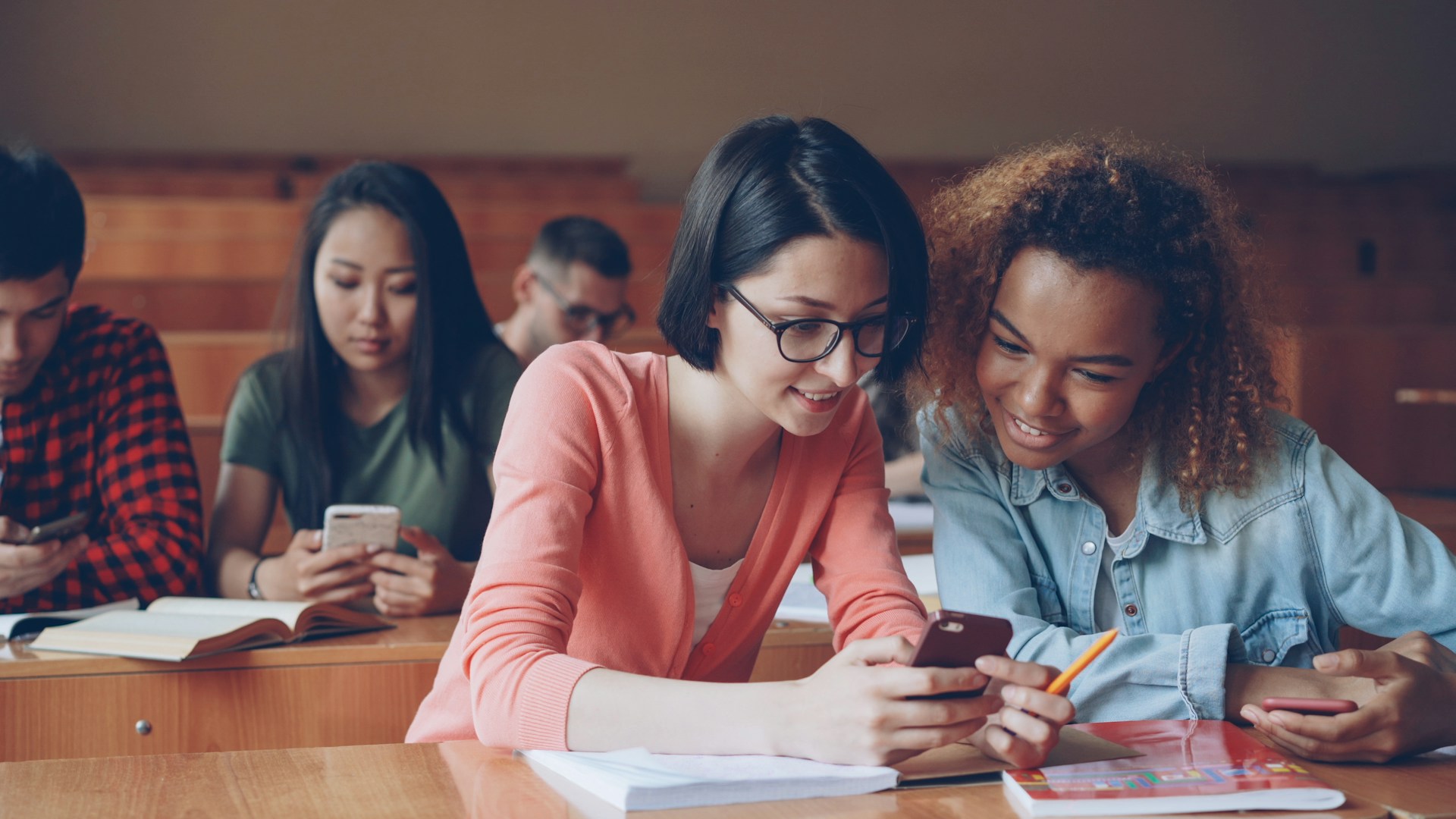
Overview of Education Systems in 2026
As we step into 2026, education systems worldwide are undergoing remarkable transformations. Recent advancements in technology and shifts in societal needs have prompted a reimagining of traditional learning models. Schools are increasingly integrating digital tools, making education more accessible and engaging for students. In this evolving landscape, some students may also choose to pay for homework assistance to meet deadlines and ensure quality, highlighting the growing demand for academic support services.
Some key features of education systems in 2026 include:
- Emphasis on technology: The use of Artificial Intelligence and Virtual Reality is reshaping classroom experiences.
- Personalized learning: Adaptive learning technologies cater to individual student needs, enabling tailored educational paths.
- Skill development focus: Curriculums prioritize essential soft skills alongside academic knowledge.
Importance of Adapting to Changes
Adapting to these changes is crucial for several reasons:
- Preparing students for future careers: The job market is evolving, and education must keep pace.
- Enhancing engagement: Students today are digital natives; engaging them requires innovative methods.
- Fostering inclusivity: Modern approaches can help address diverse learning needs, ensuring equity in education.
As these trends take shape, educators and stakeholders must embrace new strategies to better prepare students for the world ahead.
Technological Integration in Education
Role of Artificial Intelligence
With the integration of Artificial Intelligence (AI) in education, we witness a remarkable transformation in how students learn and interact with knowledge. AI-driven platforms can analyze individual learning styles and provide customized feedback, helping educators pinpoint areas that need improvement. Imagine a student struggling with math; an AI tool can identify this and offer tailored exercises that nurture their understanding.
Key benefits of AI in education include:
- Personalized Learning Experiences: AI can adapt content in real-time based on student performance.
- Automated Administrative Tasks: Teachers can spend less time on grading and more on student engagement.
- 24/7 Availability: Students can access resources anytime, catering to varying learning schedules. Interactive education tools that support learning across multiple subjects, such as math problem-solving platforms like quadratic equation calculator, writing assistance, language learning, design creation, and problem-solving
Impact of Virtual Reality
Similarly, Virtual Reality (VR) is revolutionizing how educational content is delivered. VR immerses students in interactive environments that enhance learning retention. For instance, a history lesson can transform into an exhilarating journey through ancient civilizations, making the past come alive in ways textbooks simply cannot.
Consider the impact of VR on learning outcomes:
- Enhanced Engagement: Students are more likely to participate actively when learning feels like an adventure.
- Practical Skill Development: Fields like medicine benefit from VR training simulations, allowing hands-on practice without real-world consequences.
- Increased Retention: Studies suggest that students retain information better when they experience it firsthand.
Together, the role of AI and the impact of VR signify a shift towards a more engaging and effective educational landscape, making learning not only informative but also enjoyable.
Personalized Learning Approaches
Adaptive Learning Technologies
Following the transformation brought by technological integration, personalized learning approaches are emerging as a cornerstone of modern education. Adaptive learning technologies play a significant role in this paradigm shift. These systems utilize AI algorithms to assess individual student progress and adjust the curriculum accordingly.
Imagine a classroom where every student receives assignments tailored to their strengths and weaknesses. Adaptive platforms can:
- Provide Real-Time Assessments: Instant feedback helps students understand their learning gaps.
- Adjust Pace: Students can learn at their own speed, ensuring mastery of concepts before moving forward.
- Engage Diverse Learning Styles: Whether visual, auditory, or kinesthetic, adaptive technologies cater to various preferences.
Customized Curriculum Design
In addition to adaptive learning, customized curriculum design further enhances students' educational experiences. This approach allows educators to create programs that reflect local cultures, interests, and career opportunities, making learning more relevant.
For example:
- Project-Based Learning: Students can choose topics that resonate with them, fostering a love for inquiry and research.
- Interdisciplinary Studies: Subjects like science and art can intertwine seamlessly, illustrating real-world applications.
- Flexible Assessment Methods: Options such as portfolios or presentations allow students to showcase their learning in diverse ways.
By leveraging adaptive technologies and personalized curriculums, educators promote student ownership of their learning journey, fostering a deeper connection to the material and improving overall engagement. With these strategies, education becomes not just a process, but a personalized experience.
Skill Development for Future Careers
Emphasis on Soft Skills
Building on the personalized learning approaches, the focus on skill development for future careers has never been more critical. In today's dynamic workforce, employers increasingly prioritize soft skills—interpersonal qualities and emotional intelligence—alongside technical abilities.
For instance, consider a recent graduate entering the tech industry. Strong technical skills may land them the job, but soft skills such as teamwork, communication, and adaptability will be vital for career advancement. Key soft skills to nurture include:
- Communication: Clearly conveying ideas fosters collaboration and minimizes misunderstandings.
- Problem-Solving: A flexible thinker who adapts to challenges will excel in fast-paced environments.
- Empathy: Understanding the perspectives of colleagues and clients enhances workplace harmony.
Vocational Training Programs
In addition to soft skills, vocational training programs are emerging as a vital component in skill development. These programs provide hands-on experience and direct pathways into specific careers, balancing theoretical knowledge with practical applications.
Take, for example, an individual aspiring to become an electrician. Through vocational training, they can:
- Gain Technical Skills: Real-world experience equips them with necessary competencies.
- Build Industry Connections: Networking opportunities during training can lead to job placements.
- Earn Certifications: Recognized credentials enhance employability and credibility in the job market.
By emphasizing soft skills and offering robust vocational training, educational institutions are preparing students not just to enter the workforce, but to thrive and adapt in their future careers. This holistic approach to skill development ensures students remain competitive in an ever-evolving job landscape.
Global Collaboration and Cultural Competence
Cross-Cultural Exchange Programs
Building on the emphasis on skill development, fostering global collaboration and cultural competence is essential in today's interconnected world. Cross-cultural exchange programs are a fantastic way to immerse students in different cultures, enhancing their understanding and appreciation of global diversity.
Imagine a student traveling abroad to study in a country with a vastly different culture. They don't just learn about customs; they experience everyday life, gaining valuable insights that textbooks simply cannot provide. Benefits of these programs include:
- Cultural Immersion: Students live with host families, deepening their understanding of local traditions.
- Global Networking: Forming friendships with peers from other countries creates lasting connections.
- Perspective Shift: Exposure to different viewpoints fosters empathy and global awareness.
Language Learning Opportunities
Alongside exchange programs, expanding language learning opportunities is critical for developing cultural competence. Engaging with different languages not only enhances communication skills but also builds connections and mutual respect among diverse communities.
Consider the advantages of language learning:
- Career Benefits: Bilingual individuals have a competitive edge in the job market, especially in multinational companies.
- Cognitive Benefits: Learning a new language improves memory and problem-solving abilities.
- Cultural Understanding: Language studies incorporate cultural context, helping students appreciate the nuances of communication.
By embracing cross-cultural exchange programs and offering robust language learning opportunities, educational institutions are equipping students with the tools they need for effective global collaboration. This ongoing emphasis on global competence prepares students to thrive in an increasingly interconnected and diverse world.
Ethical Considerations in Education
Data Privacy and Security
As we continue to explore global collaboration and cultural competence in education, it's crucial to address the ethical considerations surrounding data privacy and security. With technology playing an integral role in modern learning, safeguarding student data is more important than ever.
Imagine a classroom where students use various online learning platforms. Each click and interaction generates vast amounts of data, and schools must ensure this information is protected. Key aspects to focus on include:
- Regulating Data Collection: Schools must obtain consent from students and parents regarding what data is being collected and how it will be used.
- Implementing Secure Systems: Using encrypted software and secure servers protects sensitive student information from cyber threats.
- Educating Stakeholders: Training teachers and staff on data ethics fosters a culture of respect and caution towards student privacy.
Equity and Inclusion Initiatives
In addition to data privacy, equity and inclusion initiatives are vital for creating an accessible educational environment for all students. Equal opportunities for learning must be prioritized to ensure that every student can thrive.
For example:
- Resource Allocation: Schools should distribute resources equitably, providing additional support to underserved communities.
- Inclusive Curriculum Development: Curriculums should reflect diverse perspectives and cultures, making learning relatable for all students.
- Support Services: Implementing mentorship programs and counseling services can help bridge gaps for students facing challenges.
By focusing on data privacy and ethical standards, along with equity and inclusion initiatives, educational institutions can create a safe and just environment that fosters learning for all. These ethical considerations are crucial in shaping a supportive and responsible educational landscape for current and future generations.
Assessment and Evaluation Methods
Competency-Based Assessments
Transitioning from ethical considerations in education, the methods we use to assess student learning are pivotal in shaping educational outcomes. Competency-based assessments focus on evaluating students based on their ability to demonstrate specific skills and knowledge rather than traditional grading systems. This approach allows for a more personalized evaluation of each student's progress.
For instance, imagine a student in a science class who demonstrates mastery in a topic through a hands-on project rather than just an exam. Benefits of competency-based assessments include:
- Focus on Mastery: Students advance only when they have demonstrated understanding, ensuring solid foundations.
- Individualized Learning Paths: Students can learn and progress at their own pace, accommodating diverse learning styles.
- Authentic Evaluation: Practical applications of knowledge provide a clearer picture of student capabilities.
Alternative Evaluation Techniques
In addition to competency-based assessments, alternative evaluation techniques are gaining traction. These methods offer diverse ways to measure student learning beyond conventional testing formats.
Consider some popular alternatives:
- Portfolios: Students can showcase a collection of their work over time, reflecting their progress and growth in a comprehensive manner.
- Peer Assessment: Encouraging students to evaluate each other's work fosters critical thinking and engagement while providing different perspectives.
- Project-Based Learning: Assigning projects that require research, collaboration, and creativity enables students to apply their knowledge in meaningful ways.
By embracing both competency-based assessments and alternative evaluation techniques, educators can provide a more nuanced understanding of student learning. This shift not only enhances learning outcomes but also empowers students to take ownership of their educational journeys, setting the stage for future academic and professional success.
Future of Learning Environments
Smart Classrooms and Interactive Tools
Continuing from the discussion on assessment and evaluation methods, the future of learning environments promises a transformation fueled by technology. Smart classrooms equipped with interactive tools are at the forefront of this change, enhancing collaboration and engagement among students.
For example, imagine a classroom where students use digital whiteboards, tablets, and smart projectors to collaborate on projects in real-time. Key features of smart classrooms include:
- Real-Time Feedback: Interactive tools provide instant assessments, helping students and teachers identify areas for improvement.
- Engaging Multimedia: The integration of videos, simulations, and games brings lessons to life, catering to various learning styles.
- Data-Driven Insights: Educators can track student performance more effectively, allowing for timely interventions.
Flexible and Collaborative Spaces
Alongside smart classrooms, flexible and collaborative spaces are redefining how students interact and learn together. These areas encourage teamwork and creativity, moving away from traditional rows of desks.
Imagine a classroom where movable furniture allows for group work, discussions, or individual study. Benefits of flexible learning spaces include:
- Adaptable Layouts: Teachers can reconfigure arrangements to suit different activities, whether it's a lecture, a group project, or collaborative research.
- Enhanced Communication: Collaborative spaces promote dialogue and brainstorming, fostering deeper connections between students.
- Real-World Preparation: By mimicking workplace environments, these spaces prepare students for collaborative tasks in their future careers.
By investing in smart classrooms and flexible learning environments, educational institutions are paving the way for a more dynamic and engaging learning experience. These innovative settings will not only inspire students to think critically and creatively but also equip them with the skills needed for success in a rapidly changing world.
Teacher Training and Professional Development
Continuous Learning for Educators
Building on the innovations in learning environments, effective teacher training and professional development are crucial for maximizing these advancements. Continuous learning for educators ensures that teachers are equipped with the latest pedagogical strategies and technological tools to enhance student learning.
Consider a teacher attending a professional development workshop focused on integrating technology into lesson plans. Benefits of continuous learning include:
- Updated Skills: Regular training helps educators stay current with new teaching technologies and methodologies.
- Networking Opportunities: Professional development often connects teachers with peers, fostering collaboration and shared learning.
- Improved Student Outcomes: Enhanced teaching practices can lead to better engagement and understanding among students.
Pedagogical Shifts in Teaching Methods
In addition to ongoing training, pedagogical shifts in teaching methods are reshaping the educational landscape. Modern teaching emphasizes student-centered approaches that encourage active participation and critical thinking.
For example:
- Flipped Classrooms: By assigning lecture materials as homework and using classroom time for discussion, teachers facilitate a deeper understanding of the material.
- Inquiry-Based Learning: This method encourages students to ask questions and explore topics deeply, fostering curiosity and independent thinking.
- Collaborative Learning: Group work allows students to learn from one another, developing communication and teamwork skills essential for their future careers.
By prioritizing continuous learning and embracing pedagogical shifts, educators can create enriching learning experiences that inspire their students. These efforts not only enhance teaching effectiveness but also prepare students for the complexities of an ever-evolving world, making education a transformative journey.
Conclusion
Summary of Predictions for Education in 2026
Reflecting on the journey through the evolution of education, it's clear that by 2026, we will witness a comprehensive blend of technology, personalized learning, and ethical practices shaping the educational landscape. Key predictions include:
- Tech-Enhanced Learning: Smart classrooms and AI integration will redefine student engagement.
- Flexible Curriculums: Adaptive and competency-based assessments will become the norm.
- Global Competence: Increased focus on cultural awareness and language skills.
These changes collectively aim to create a more inclusive and responsive educational system.
Final Thoughts on Student Expectations
As we look toward the future, students will inevitably have higher expectations for their educational experiences. They will seek environments that are not only accommodating but also engaging, innovative, and relevant to real-world challenges.
Consider a student who expects to collaborate virtually with peers around the globe. They won't just want to learn facts; they'll seek practical applications that prepare them for future careers.
In essence, education must adapt to meet these evolving expectations, cultivating environments where creativity, critical thinking, and cultural appreciation flourish. By embracing these trends, we can ensure that education remains a vibrant and essential part of personal and professional growth for all students.